






What’s in here8 sections
Somebody on r/Bedding asked the question everyone asks eventually: does bamboo actually feel different from cotton, or is it just the marketing? The honest answer starts one step earlier, because the marketing is the part worth taking apart first.
“Bamboo” names what the thread is made of. “Microfiber” names how thin the thread is. Those are two different questions, which is exactly why a sheet can be sold as bamboo microfiber and be both at once, and why the Federal Trade Commission has required the words rayon made from bamboo on the label since 2010. There is no fiber called bamboo.
So here is what each one actually is, how each behaves on a warm night, what the weave underneath does that the fiber name hides, what happens by wash twenty, and which bed each one belongs on.
Quick Answer
Bamboo viscose breathes better and drapes softer, but it costs more, shrinks more and needs a gentle wash. Microfiber is cheaper, tougher and dries fast, but it sleeps warmer and is entirely synthetic. Bamboo for a hot sleeper’s main bed; microfiber for a guest room, a kid’s bed, or a household that cannot babysit a delicate cycle.
One Names the Fiber, the Other Names the Thread
The comparison every roundup runs, bamboo on the left and microfiber on the right, puts two words side by side that are not answering the same question. Once you see why, most of the disagreement in the reviews resolves itself.
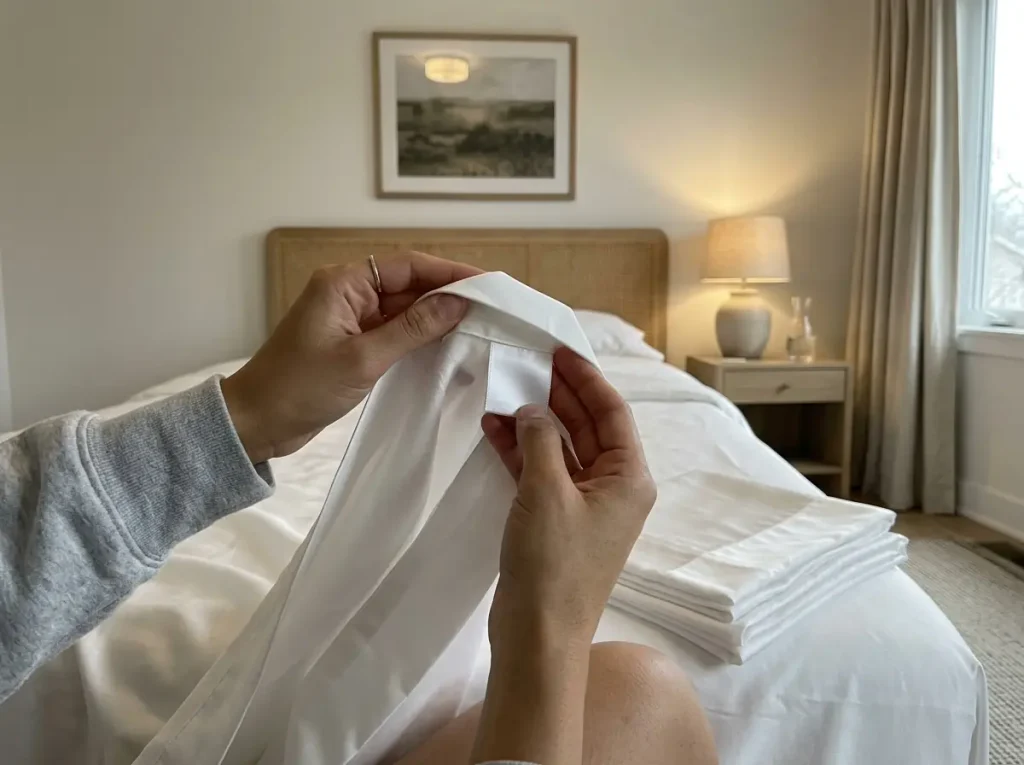
Under 16 CFR Part 303, fabric made from bamboo pulp by the viscose process has to be labeled rayon made from bamboo or viscose from bamboo. There is no generic fiber name “bamboo” in the rule, which means a package printed with nothing but “100% bamboo” is already out of compliance before you get it home. This is not a technicality that lives in a footnote either: the FTC has required ‘rayon made from bamboo’ on the label since 2010, and fined retailers over $1.5 million for skipping it, Amazon, Sears and Macy’s among them, between 2009 and 2013. A settled enforcement history against the largest retailers in the country is a strange thing for a shopping guide to leave out.
Microfiber is not a fiber at all. It is a spec. Synthetic filament, almost always polyester and occasionally nylon, spun finer than one denier per filament. That is the entire definition: a thickness, not a material. So when a listing says microfiber, it has told you how thin the thread is and told you nothing about what the thread is made of.
Put those two facts together and the trap becomes obvious. Bamboo microfiber is a real product and a legal one. It is bamboo rayon spun to microfiber fineness, or more often a bamboo-polyester blend, and it borrows the good word from each column.
The community has already named this problem in its own language: “bamboo is a misnomer”, “there’s no such thing as bamboo sheets”, “we fell for the scam.” They are not being cynical. They read the tag.
Which is the free fix, and it costs nothing. The tell on a real package is the fiber-content line on the sewn-in tag, not the front of the box.
The box is advertising copy. The tag had to satisfy a federal rule. Where the two disagree, believe the one that could be fined.
Before you buy anything, go pull the sewn-in tag on the set already on your bed. It is on the fitted sheet, usually near a corner seam. If it says rayon or viscose from bamboo, the seller followed the rule. If the front of the package said bamboo and the tag says polyester, you own a blend, and now you know why it sleeps the way it does.
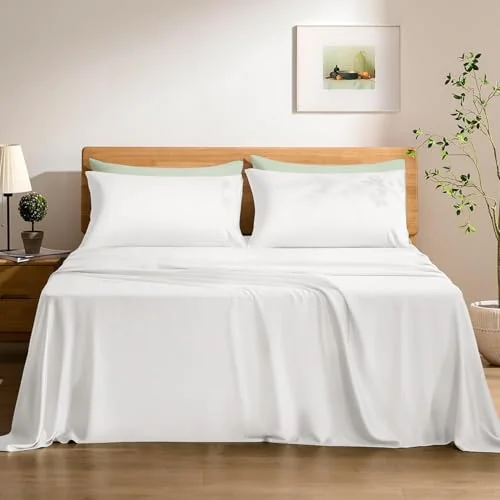
That instruction matters more than any recommendation, so it goes first. When a set does get the label right, it looks like this one: a compliant, honestly stated bamboo viscose listing, with the certification named instead of implied. It is here as the reference for what correct looks like, not as the winner of anything.
Calling it chemically processed rayon is accurate and it is also the point where a lot of readers want to stop and ask whether that is a problem for them, which is a fair question and a longer one than this page can hold. If that is where your head went, what the viscose process actually does to the bamboo is the piece that answers it properly.
What Each One Is Made Of, and What That Costs
Knowing that one word names a fiber and the other names a thread does not yet tell you which sheet to buy. The next question is what each is actually made of, and what each process leaves behind after the sheet is on your bed.
Bamboo viscose starts as a plant and ends as rayon
Bamboo wood pulp gets dissolved in carbon disulfide, caustic soda and sulfuric acid, then extruded through a spinneret and spun into thread. That chemical processing is what makes viscose a semi-synthetic rather than a natural fiber: it starts as a plant and finishes as something a chemist made. The plant end of the sentence is genuinely good — bamboo grows fast, needs little water and no replanting.
The process end is where the footprint sits, and no amount of green packaging moves it. Selling the plant and staying quiet about the solvents is greenwashing whether or not anybody at the brand thinks of it that way.
OEKO-TEX Standard 100 is the certification that shows up on the better listings, and it is worth knowing precisely what it buys you. It tests the finished fabric against more than a hundred regulated and unregulated substances, and it has to be renewed every year. It does not certify the raw material as organic, and it does not certify the process as clean. Those are two separate claims that a single hangtag will happily run together.
Microfiber is polyester, spun finer
Continuous synthetic filament under one denier. It is a fully synthetic fiber with no plant anywhere in it, fine enough to feel soft without being cotton, and cheap enough that a full set costs about what a single bamboo pillowcase does. The softness is real, the mechanism behind it is just thinness rather than fiber quality.
The recurring cost shows up in the laundry room. A single wash of a polyester microfiber sheet can shed hundreds of thousands of microfibers into the water, with one lab estimate landing around 496,000 for a single load. A cold water wash, shorter cycles and full loads all bring that number down.
But the word to sit with is recurring: microplastic shedding is not a one-time manufacturing impact, it happens every time the set goes through the machine. Which flips the environmental impact of the two fibers depending on how you live. A microfiber guest bed set washed six times a year is a genuinely different object than the same sheets on a bed that gets stripped every Sunday. If that side of it is what you came for, the microplastic question in more detail goes deeper than this section has room for.
Both camps, meanwhile, accuse each other of the same thing. The bamboo buyer calls microfiber plastic; the microfiber buyer, on learning what carbon disulfide is, calls bamboo plastic garbage. Both have a point, and neither one is buying a plant.
Sateen or Lyocell, the Bamboo Nobody Names
Two sets can both say bamboo on the front and behave in opposite ways on a warm night. The reason is a word that appears on almost no product page in this search result, and it is not a fiber at all.
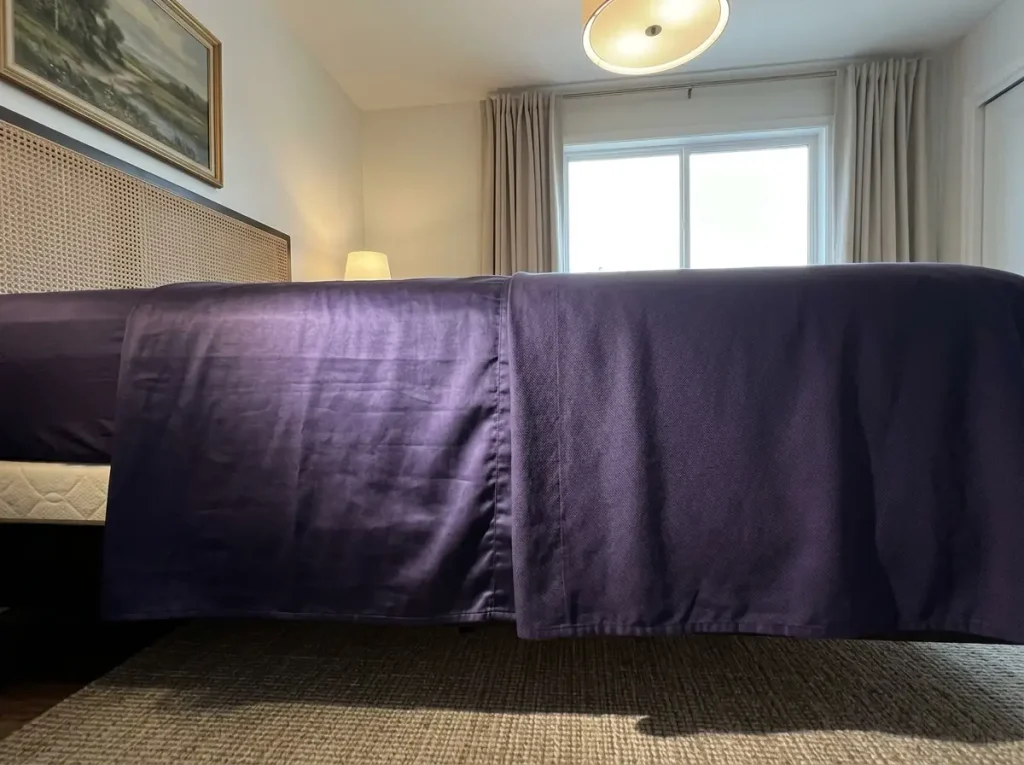
Sateen is the usual retail construction, and it is the warmer one
Sateen floats three threads over one. That float is where the drape comes from, and the low sheen, and the slippery hand people mean when they say a sheet feels like bamboo. It is also why less air moves through it: a floating thread lies flat against its neighbors and closes the gaps that a plain weave leaves open. Breathability is decided by those gaps, not by the plant the thread came from. Smooth and closed are the same property described from two sides.
Several r/Bedding commenters flatly call bamboo hot and say it does not breathe. They are not wrong about their sheets. They are describing sateen and calling it bamboo, which is the same category error the packaging made first.
Lyocell is the rarer one and the closer-to-claim one
Lyocell is made with a closed-loop solvent process instead of the viscose route: the solvent gets captured and reused rather than discharged, which is fewer chemicals into the world and, in practice, a construction that behaves closer to what the marketing promised. (Tencel is a brand name for lyocell, which is where the confusion starts, and it is worth untangling separately.) The trade is real: slightly less of the slippery satin hand that people are actually buying when they buy bamboo. You get the cool and give up some of the slide. This is the same principle that decides bamboo against silk, where the construction rather than the fiber settles the comparison as well.
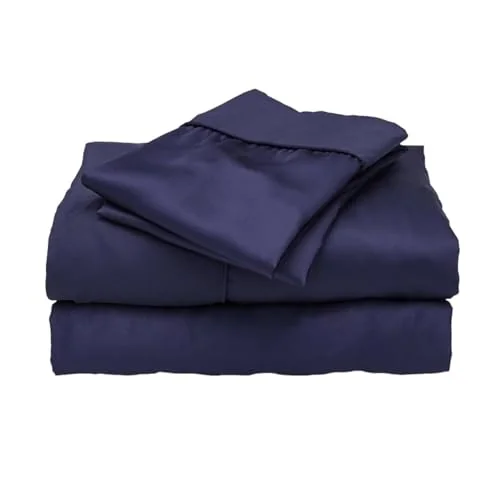
Thread count will not tell you which you have
The 100 to 400 range quoted for bamboo is a cotton-era metric that does not map cleanly onto viscose or lyocell processing, because the thing it counts, threads per square inch, means something different when the thread was extruded rather than spun from staple. One brand blog states 300 to 350 as the ideal band for bamboo. No independent source corroborates that figure, so treat it as one retailer’s opinion wearing a spec’s clothing.
The tells that do work are the weave name and the GSM, the fabric’s grammage in grams per square meter, if the seller prints either. And here is the shortcut hiding in plain sight: nobody in the top search results names the weave of the viscose they are selling. That silence is the fastest filter available to you, because a bamboo listing that will not say sateen or lyocell is almost always sateen. Sateen is what the category defaults to, and defaults do not get advertised.
Use the search box inside the listing page. Type “lyocell” and then “sateen” into the product description and Q and A. If neither word appears anywhere on a bamboo listing, assume sateen and buy accordingly. A seller who paid for the lyocell process puts that word in the title, because it is the expensive part.
Which One Survives a Real Household
Heat decides which sheet you want on a July night. The wash decides whether you still have it in a year. On that second measure the two fibers fail in completely different ways, and this is where microfiber makes its actual case, which is not the one on its package.
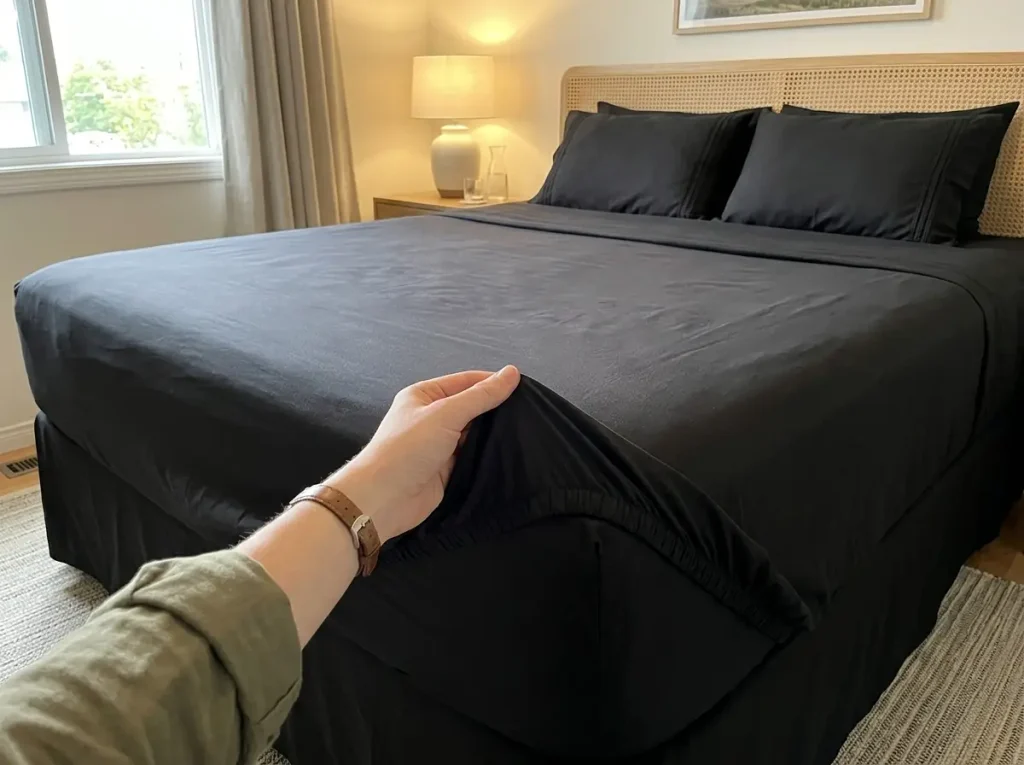
Bamboo wants a gentle life
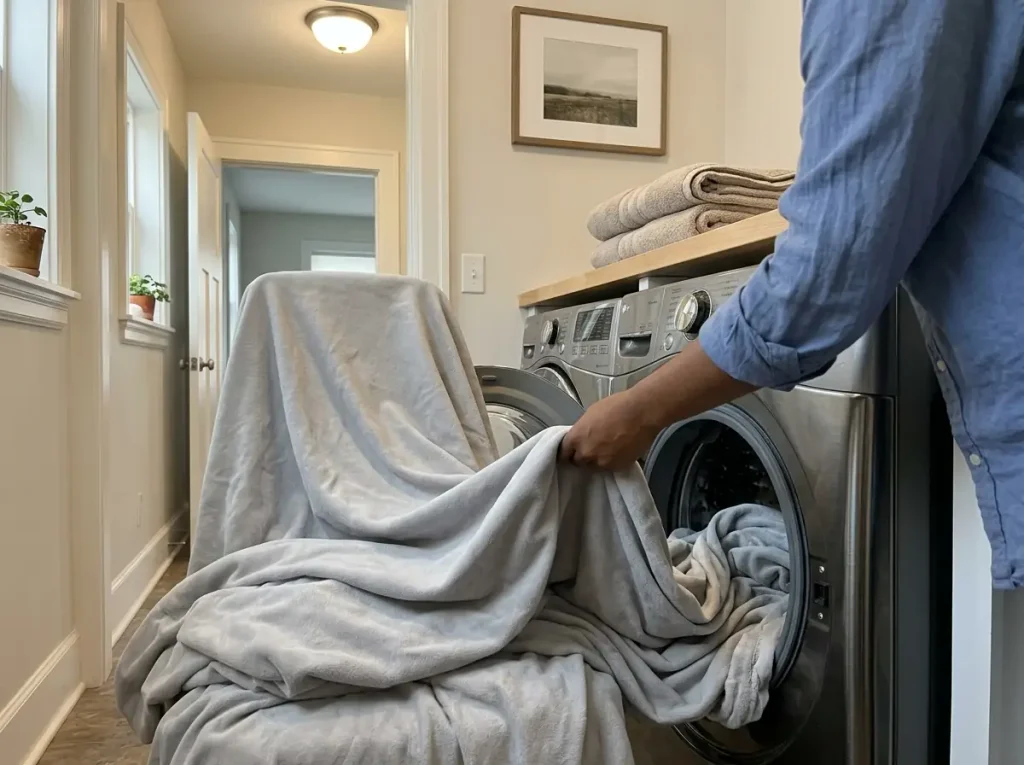
Cold or delicate wash, a mild detergent, no fabric softener, and either air dry on a line or tumble dry on the lowest setting the machine has. Hot washing and a hot dryer break the fiber down and shrink it, and that constraint is a real one in a house where laundry gets done fast and sorted loosely. One r/Bedding commenter reports two holes in the fitted sheet of an expensive bamboo set inside two years, while following the care instructions. Following them is not the same as the household following them.
Microfiber tolerates what a household actually does
Hot wash, hot dryer, no ironing, dry in one cycle. Its wrinkle resistance is the best of any sheet fabric sold at that price, and that, not softness, is the honest selling point. Every microfiber package leads with feel and buries the durability, which is backwards.
Pilling depends on construction, not on the word. Double-brushed continuous-filament microfiber resists it because each filament is one unbroken strand with no short fiber ends to work loose and ball up. Cheap single-brushed versions and bamboo-polyester blends pill fast, reportedly inside three washes. Which is why “microfiber pills” and “microfiber does not pill” are both true statements about different fabrics wearing the same name.
Match the fiber to the person who does the laundry, not to the person who sleeps in the bed. If the sheets get washed hot with towels and thrown in the dryer on high because that is how the house runs, bamboo will lose that argument every week for a year. Buy microfiber for that bed and spend the difference on the bed where the wash gets babysat.
Whichever fiber it is, the pilling shows up first on the side of the bed that gets slept on, and second on the fitted sheet where a heel rubs. Wear reads as a map of the household. It is also why two people can report opposite experiences with the identical set: one of them sleeps still on the left and the other one sits on the edge to put shoes on every morning.
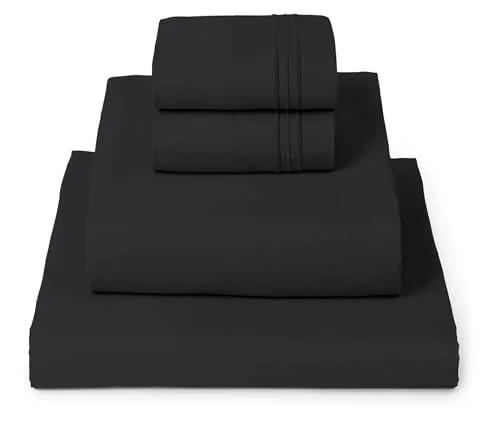
That construction distinction runs deeper than one section can carry, and how microfiber holds up over a longer run takes it apart properly.
Wash Twenty, and What Price Does Not Buy
Everything above is week one, and week one is where every roundup stops. The interesting part starts around the twentieth wash, where the ranking most people expect turns out not to hold at all.
The wash-count numbers nobody prints
An independent two-year, seven-brand field test found a $189 bamboo set beginning to pill around wash 34, while a set costing roughly a quarter of that stayed smooth all the way to wash 80. Read that again, because it inverts the assumption most of this category is sold on. Price did not predict the failure order. It did not even correlate with it.
What did predict it: weave, blend ratio and finish. The same three things the listing usually will not tell you, which is not a coincidence. A seller who knows the blend ratio is the number that decides durability has an obvious reason to print the thread count instead. Sateen’s floating threads are structurally the exposed ones, and sateen’s floating threads are the ones that catch and pill first explains why that geometry decides the outcome more reliably than the receipt does.
The usual advice is to buy the expensive set because expensive lasts. After enough wash-count reports like that one, I would rather buy the set that names its weave and its blend, at whatever it costs, than the set that names its price bracket and stays quiet about the rest.
What to look at after a season
On bamboo: pilling on the slept-on side first, thinning at the fitted-sheet corners second, and whether the drape has gone slack. A viscose sateen that has lost its drape hangs differently over the edge of the mattress, and you will see it before you feel it.
On microfiber: pilling first, then the fabric starting to feel warmer than it did when it was new. That second one surprises people.
The brushed nap flattens with washing, which changes how much of the fabric sits directly against skin, and a flattened nap transfers heat faster than a lofted one. The sheet did not change fiber. It changed surface.
Both failures announce themselves by touch before they show. A set that has started to pill feels faintly grabby against a dry heel a week or two before you can see anything under a lamp.
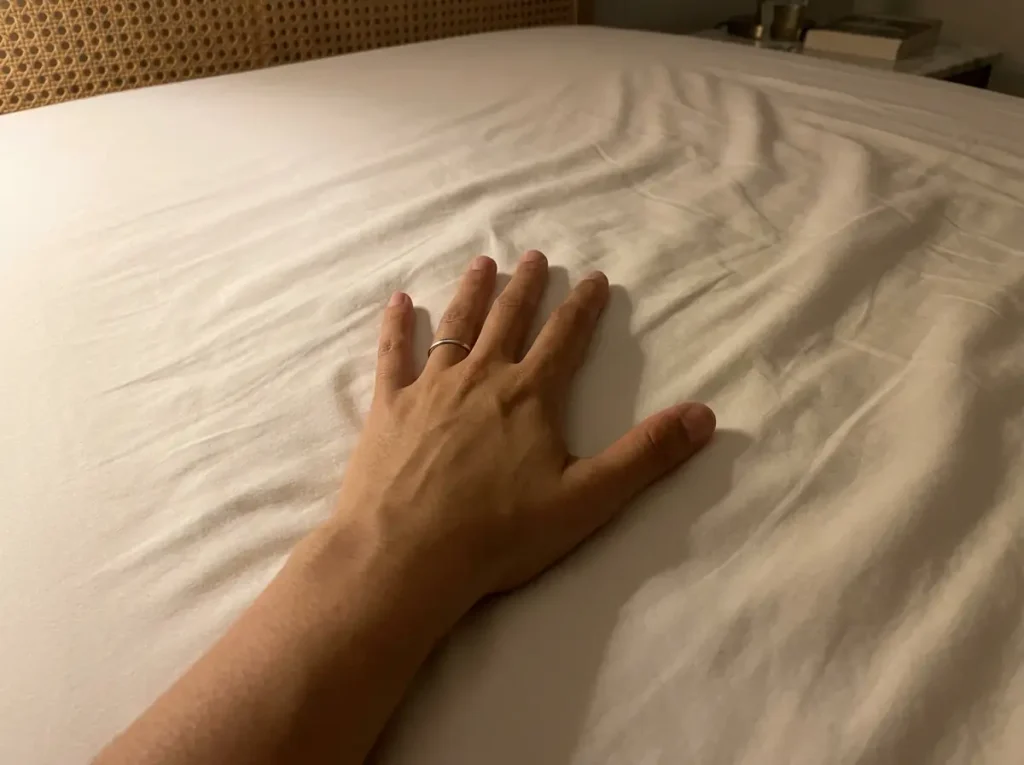
Run a dry palm flat across the middle of your side of the bed once a month, slowly, with the light off. You are feeling for grab, not looking for balls of fiber. Grab under the palm is the earliest signal a set has started to pill, and it arrives a week or two before anything is visible.
Which Bed Each One Belongs On
Neither fiber wins outright, which is the honest end of a comparison like this one. What changes the answer is the bed you are buying for and who sleeps in it, and most people do not have “a bed.” They have a main bed, maybe a spare room, maybe a kid’s room, maybe a partner who runs ten degrees warmer than they do.

The main bed of somebody who sleeps hot
Bamboo, and specifically lyocell if the listing will name it. If you have spent a summer sleeping hot, the gain is real and it is measurable on a warm night: more air through the weave, and a genuinely moisture-wicking fiber that moves damp off skin instead of holding it there. Just be clear with yourself about where it comes from — the construction, not the plant. A bamboo sateen bought for its coolness is a purchase made on the strength of the wrong noun.
A guest room, a kid’s bed, a household in a hurry
Microfiber, without apology. It survives the hot wash, dries in one cycle, needs no ironing, and nobody is sleeping in it two hundred nights a year, which means the pilling clock runs slower on it than on the main bed anyway. The microplastic argument also lands softest here, because a set washed six times a year sheds a fraction of what a weekly set does. For the full version of that case, the beds where microfiber is straightforwardly the right answer makes it at length.
Two people, one bed, two thermostats
This is where a single answer breaks down, and almost nobody splits it. Two people one bed is its own problem, not a footnote to the single-sleeper one. If one of you runs hot and the other runs cold, the sheet is the worst layer to argue over, because the sheet touches both of you.
Bamboo lyocell for the person who runs hot, and then the cold sleeper adds a layer on their own side rather than putting a warmer sheet under both. The logic is just contact area: a layer touches one, a sheet touches two. In a shared bed you solve the shared layer for the hot sleeper and the private layer for the cold one.
When neither one is the answer
If the complaint is heat and the room is 74 degrees with the door shut, no sheet fixes that. A foam topper holding heat under you will beat any fiber above you, every night, and it costs nothing to check. Open the room up, put a hand under the fitted sheet on the mattress surface after you get out of bed, and only then think about buying. This is the free fix and it comes first.
And there is a third lane the whole bamboo-versus-microfiber argument talks past. If your real problem is a sateen weave holding heat, you do not need a different fiber, you need a different weave. The Feather & Stitch 100% Cotton Percale Sheet Set is 300-thread single-ply cotton in a plain one-over-one percale with a 16-inch pocket, which moves air by geometry rather than by fiber marketing. Its flaw, in writing: it will never have the satin hand of bamboo sateen, and it wrinkles visibly straight out of the dryer, forever.
| What you are comparing | Bamboo viscose or lyocell | Polyester microfiber |
|---|---|---|
| What the label names | The fiber, and legally it must say rayon or viscose from bamboo | The thread thickness only, under 1 denier, never the material |
| Feel | Slippery and satin on sateen, drier and less slick on lyocell | Plush and brushed, warmer against skin as the nap flattens |
| Heat on a warm night | Cooler, and lyocell more so than sateen | The warmer of the two, whatever the package claims |
| Wash tolerance | Cold or delicate, low heat or line dry, shrinks with hot water | Hot wash, hot dryer, one cycle, no ironing |
| Pilling | Weave and blend decide it, not price; sateen floats catch first | Double-brushed filament resists it; single-brushed pills in about 3 washes |
| Shedding | Cellulose based, no microplastic in the wash water | Hundreds of thousands of microfibers per wash, every wash |
| The bed it suits | The main bed of somebody who sleeps hot | A guest room, a kid’s bed, a household in a hurry |
The Short Version
Read the sewn-in tag, not the box. If it says rayon from bamboo, the label is honest. If the front says bamboo and the tag says nothing of the sort, that has told you something about the seller before you have learned anything about the sheet.
On bamboo, the weave decides the heat. Sateen is the default and the warmer one; lyocell is the rarer one and the one that behaves closer to the claim. A listing that names neither is almost certainly sateen.
Microfiber earns its place by care tolerance, not by feel. That makes it right for a guest room, a kid’s bed and a household in a hurry, and wrong for the bed of somebody who sleeps hot.
Somewhere around the twentieth wash, run a dry hand across the side of the bed you sleep on. Grabbiness under the palm shows up a week or two before pilling is visible under a lamp, and it arrives long before the price of the set would have predicted it.
Before you buy anything, pull the tag on the set you already own and see what it says. Then sleep a week with the bedroom door open. If the heat is still there in the morning, the sheet is the thing to change, and now you know which line on the listing decides it.
Frequently Asked Questions
01What is the downside to bamboo sheets?
They are chemically processed rayon, not a raw natural fiber, and most retail sets are woven sateen, which holds more heat than the cooling label suggests. They also need a cold wash and a low dry, which not every household can manage.
02What are the downsides of microfiber sheets?
It sleeps warmer than any natural fiber, it is entirely polyester, and it sheds microfiber into the water every wash. Cheap single-brushed versions pill within a few washes, while double-brushed continuous filament holds up far longer.
03Is bamboo microfiber a real thing?
Yes, and it is the trap. Bamboo names the material, microfiber names the thread thickness, so one sheet can carry both claims. In practice it is usually a bamboo-polyester blend borrowing the better word from each column.
04Do bamboo sheets pill?
They can, and price does not predict it. One independent seven-brand test saw a $189 set start pilling around wash 34 while a $49 set stayed smooth to wash 80. Weave and blend ratio decide it, not the receipt.
05Which is better for hot sleepers, bamboo or microfiber?
Bamboo, and lyocell over sateen if the listing names the weave. Microfiber is the warmer of the two whatever the package says about cooling, because polyester pushes moisture around rather than taking it in.




Tried it on your own bed?
No comments yet. Tell us what you changed, and what the sheet did after a few washes.